
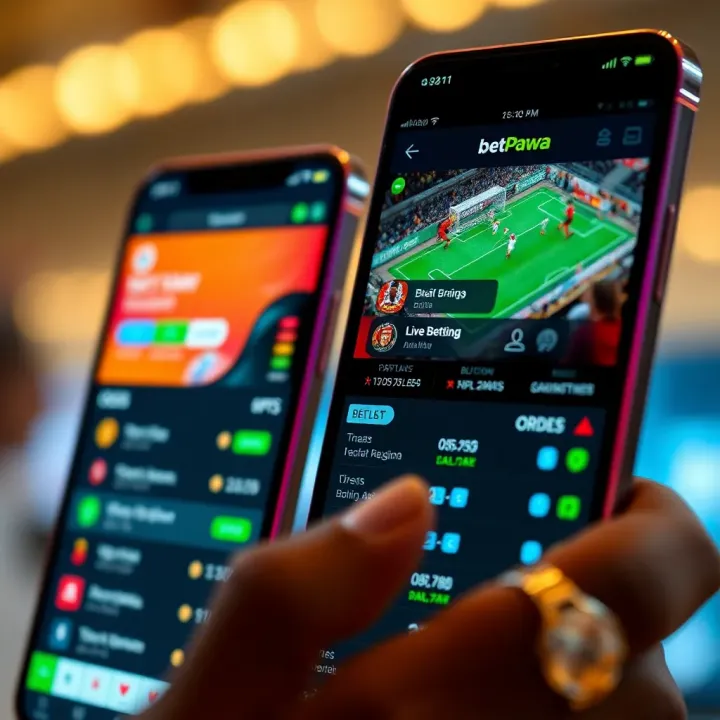
How to Register with BetPawa Nigeria
📲 Ready to bet on football or basketball? Learn how to register with BetPawa Nigeria quickly and securely. Follow steps for registration, verification, and funding your account today!
Edited By
Kemi Oladipo
Nigeria’s gambling laws are shaped by both federal and state regulations, often rooted in older colonial policies but adapted to today’s fast-moving environment. At the federal level, gambling activities are broadly regulated by the National Lottery Regulatory Commission (NLRC) and various state gaming boards. Each state controls licences for local operators, especially for physical casinos, betting shops, and gaming centers.
Licences are crucial. Operators must secure the appropriate licence before running any gambling business, whether a sports betting shop in Lagos or an online betting platform targeting youths across Nigeria. A licence ensures adherence to set standards, protects players, and channels revenue appropriately—often contributing to state coffers.
Sports Betting: Legal and popular, especially football betting. Operators like Bet9ja, NairaBet, and SportyBet dominate the market.
Lotteries: Both national and state lotteries are regulated under the NLRC.
Online Gambling: Increasingly common, but online platforms require licences and must operate transparently within Nigerian laws.
Casino Gaming: Limited to specific states or zones. Lagos and Abuja have regulated casinos with strict oversight.
Certain forms of gambling, such as unlicensed betting and illegal lotteries, are prohibited. Organising or participating in illegal gambling activities can lead to significant penalties including fines and imprisonment.
Licensed gambling platforms not only ensure fair play but also protect you from fraud and ensure your winnings are secure.
Mobile betting apps and websites have surged in Nigeria, riding on smartphone penetration and internet growth. However, not every platform is legitimate. Players should confirm the operator’s licence and regulatory compliance.
Engaging in unlicensed gambling can lead to:
Fines that can reach millions of naira.
Criminal charges with possible jail time.
Forfeiture of equipment and funds tied to illegal operations.
Legal gambling contributes significantly to Lagos and other state revenues. For you as a player, understanding and using licensed platforms safeguards your money and ensures a transparent betting experience. Plus, regulated gambling supports local jobs and infrastructure development.
That said, the sector still faces challenges like outdated laws and enforcement gaps. Ongoing reforms are expected to improve clarity and expand opportunities for tech-savvy youths eager to tap into this vibrant industry.
Gambling laws in Nigeria provide the legal basis for regulating betting activities across the country. Understanding this framework is essential for sports bettors, tech-savvy youths, and app users who want to engage responsibly and legally. It ensures operators comply with rules designed to protect players, promote fair play, and curb illegal gambling practices. For instance, the presence of solid legal backing helps the likes of Bet9ja and Merrybet operate within clear boundaries, offering consumers confidence and recourse.
The National Lottery Act governs the operation of lotteries in Nigeria, both at the national and state levels. It establishes how lottery schemes must be run and ensures proceeds contribute to national development projects like education and health. This law also sets limits on ticket sales and prizes to avoid encouraging addiction or financial harm. For example, the Act makes it mandatory that all lottery operators obtain licences before conducting draws, helping protect consumers from fraudulent schemes.
This Act consolidates various gambling laws and provides a comprehensive legal framework covering sports betting, casino activities, and other wagering forms. It emphasises licensing requirements, transparent operations, and responsible gambling measures. Importantly, it restricts gambling operations to licensed entities, making illegal betting a punishable offence. For sports bettors, this Act means only authorised platforms backed by the law can legally offer betting services, which adds a layer of protection.
Individual states in Nigeria have the authority to regulate gambling within their territories, leading to variations in rules and enforcement. Some states set up gaming boards tailored to local conditions, with specific provisions on licence fees and operational limits. For example, Lagos State has strict requirements for gaming outlets, including physical casino premises and sports betting shops. Understanding the state-specific rules is important for operators and players to avoid running foul of the law or risking penalties.
The NLRC oversees all lottery activities in Nigeria, ensuring adherence to the National Lottery Act. It issues licences, monitors compliance, and audits lottery operators to guarantee transparency. The commission also handles public complaints, which helps maintain trust in lottery games. For instance, when scandals arise from rigged draws or delayed winnings, the NLRC can investigate and take action.
At the state level, gaming boards manage the licensing and supervision of gambling within their jurisdiction. They cooperate with the NLRC but focus on state-specific concerns like local taxation and operational standards for sports betting shops. These boards conduct inspections to enforce regulations and may impose fines or close operators who defy the rules. Sports betting outlets in states like Rivers and Kano fall under these boards’ watch, ensuring safer betting environments.
Effective gambling regulation depends on coordination between federal bodies like the NLRC and state agencies. This cooperation prevents overlaps or regulatory gaps that could allow illegal operators to flourish. Joint efforts improve information sharing and enforcement across borders, especially important given the rise of online betting. For example, federal agencies may work with states to shut down unlicensed online sportsbooks targeting Nigerian users, protecting consumers and preserving the integrity of the gambling industry.
A well-structured legal and regulatory framework is crucial to a safer gambling ecosystem, benefiting players through protection and operators through clarity in business standards. Knowing these rules helps you navigate Nigeria’s gambling scene smartly and securely.
Understanding the categories of gambling allowed in Nigeria is essential for anyone interested in participating legally and safely. The Nigerian gambling landscape is mainly divided into traditional and state-approved lotteries, as well as sports betting and casino games. Knowing these categories helps players navigate what is lawful and avoid illegal operations.
The National Lottery is regulated under specific laws and managed by authorised operators licensed by the Nigeria Lottery Regulatory Commission (NLRC). These lotteries operate both at the federal and state levels, providing Nigerians an opportunity to participate in officially sanctioned games. States like Lagos, Oyo, and Rivers have established their own lottery schemes that run parallel to the national lottery but adhere to similar regulatory standards. This ensures activities generate revenue for government projects and community development.
Lotto games such as "Pick 3" and "Lucky 6" are widely popular across Nigeria. They operate within the framework set by the NLRC, requiring players to choose numbers and place bets, with payouts based on matching numbers. These games are accessible via authorised retailers and digital platforms, making participation straightforward for players. For instance, the national lottery frequently promotes "Mega Millions" draws, which have attracted many Nigerians hoping to win life-changing jackpots legally.
Sports betting has seen tremendous growth in Nigeria, driven by licensed operators like Bet9ja, NairaBet, and Merrybet. These companies comply with the National Lottery Act and state regulations, providing secure platforms for betting on football, basketball, and other sports. Licensed operators are subject to regular audits and must implement measures such as age verification to protect players. The rise of mobile betting apps has also made placing bets more convenient, allowing tech-savvy youths to engage responsibly while enjoying Nigeria’s dynamic sports culture.
Casino gambling remains regulated but with stricter controls compared to online sports betting or lotteries. Physical casinos are mainly located in major cities like Lagos and Abuja and must secure state-specific licences. Restrictions often limit the types of games offered and the operating hours. Online casino gaming is less developed under current laws and tends to face tighter scrutiny due to the higher risk of illegal operations. As such, players should exercise caution and verify that any casino they engage with holds the required licence to avoid legal consequences.
Nigeria's gambling laws clearly define permitted categories to protect players and assure integrity, while offering diverse gaming options.
Only participate in lotteries and sports betting via licensed national or state operators.
Popular lotto games include "Pick 3", "Lucky 6", and "Mega Millions".
Sports betting platforms like Bet9ja and NairaBet operate under strict regulations.
Physical casinos must hold state licences and comply with gaming restrictions.
Knowing which gambling activities are legally permitted helps you avoid illicit operators and enjoy the thrill of betting within Nigeria’s regulatory framework.
Online gambling in Nigeria has grown rapidly, fueled by widespread internet access and mobile technology. This expansion makes regulation vital to protect both players and the industry from fraud and abuse. Effective regulation also helps ensure that operators comply with national laws, which builds trust among users while allowing legitimate businesses to thrive.
Obtaining a licence is a mandatory step for any online gambling operator aiming to function legally in Nigeria. The National Lottery Regulatory Commission (NLRC) issues licences, demanding strict adherence to specific financial, operational, and technical standards. Operators must demonstrate transparency, sound financial backing, and robust security measures to protect users’ data.
Licenced operators benefit by gaining access to Nigeria’s growing market while avoiding legal risks. Compliance includes regular audits to verify game fairness and financial integrity. Operators must also ensure their platforms integrate with approved payment systems, such as Paystack or Flutterwave, to facilitate secure transactions.
Monitoring and enforcement remain critical to maintaining order. Regulatory bodies actively oversee operators to detect breaches, such as unlicensed activities or failure to uphold player protections. Enforcement actions include fines, licence suspensions, or shutdowns. Coordination between federal and state agencies improves the effectiveness of these efforts, helping close gaps where illegal operators might evade scrutiny.
Age restrictions form the first line of defence in safeguarding players. Nigerian law sets 18 years as the minimum gambling age. Online platforms implement identity verification processes requiring valid identification documents like the National Identification Number (NIN) or Bank Verification Number (BVN). This prevents underage participation, a persistent concern due to easy internet accessibility.
Beyond age limits, measures to limit problem gambling have become part of licence conditions. Operators provide self-exclusion options, allowing players to block themselves temporarily or permanently. Regular reminders about responsible gaming practices and limits on deposit amounts also form part of these protocols. Counselling referrals and helpline information are increasingly displayed on apps and websites to support at-risk players.
Regulating online gambling isn't just about legal compliance; it’s about creating a safer, more reliable space for Nigerians who enjoy betting, while protecting vulnerable users and the economy.
Online gambling regulation in Nigeria remains a dynamic process, adapting to new technologies and market behaviours. For bettors and app users, understanding these rules means safer entertainment and better chances of enjoying gaming within the law.
Illegal gambling in Nigeria comes with serious consequences that both operators and players should understand. These consequences serve as deterrents to protect the integrity of the gambling industry, ensure consumer safety, and uphold the rule of law. Knowing these risks can help you avoid getting caught up in unlawful activities that could lead to financial loss, legal troubles, or worse.
Operators running gambling sites or businesses without the proper licences face severe legal penalties. The Gambling Act of 2015 and other related laws impose hefty fines, often reaching millions of naira, to discourage unregulated betting platforms. In some cases, offenders can be jailed for several years, especially if caught repeatedly or involved in fraudulent activities. For example, an illegal sportsbook caught operating in Lagos was fined ₦10 million and had its managers sentenced to two years in prison, showing how seriously authorities treat this offence.
Beyond fines and jail time, illegal gambling operators risk having their equipment, including servers, computers, and cash proceeds, seized by law enforcement agencies. Buildings or premises used for unauthorized gambling can be shut down without prior notice. This disrupts ongoing operations and may cause significant financial damage. Several underground betting dens have been forcefully closed in Abuja and Port Harcourt, with all assets confiscated, serving as a loud warning to others.
Players using unlicensed betting platforms face a high risk of exploitation because these operators are not regulated. There is no guarantee your winnings will be paid out or that your personal and financial information will be safe. If disputes arise, you have little or no legal recourse. For instance, players reported losing money to bogus apps promising huge payouts but disappearing without a trace. Without regulatory oversight, you are essentially gambling at your own risk.
Besides losing money, players caught participating in illegal gambling can face legal consequences themselves. Nigerian laws allow for prosecution of individuals involved in unlawful betting activities, which can include fines or other penalties. While enforcement tends to focus more on operators, players have been cautioned that involvement in illegal gambling could lead to summons or prosecution. Staying within the bounds of licensed platforms not only offers protection but also keeps you out of trouble.
Gambling without a valid licence exposes everyone involved to avoidable risks — financial, legal, and personal. It pays to be cautious and stick to regulated operators.
In summary, the consequences of illegal gambling cover a spectrum that affects operators and players alike. For operators, fines, imprisonment, and asset seizures can cripple businesses. For players, lack of consumer safeguards and the threat of legal action make illegal betting a risky venture. Understanding these consequences is essential for anyone involved or interested in Nigeria's gambling sector.
Understanding recent trends and the future direction of gambling regulation in Nigeria matters because the industry is rapidly evolving, especially with growing digital adoption. Changes in the legal landscape affect sports bettors, online casino users, and app developers, while shaping the overall market environment. Keeping abreast of new proposals and technological impacts helps stakeholders navigate compliance and seize opportunities.
The Nigerian government has started revising the Gambling Act to align it better with current realities, particularly the rise of online betting platforms. The updated Act seeks to clarify licensing procedures and extend regulatory reach to online operators, offering clearer rules on compliance. This move aims to curb the prevalence of unlicensed betting, which often exposes players to fraud.
Practically, these amendments provide a roadmap for operators to operate transparently within the law, making it easier for bettors to identify legitimate platforms. For example, clearer definitions in the law now differentiate between authorised sports betting apps and unauthorised ones, helping users avoid scams.
Beyond revision, there are draft bills advocating stricter controls on gambling, such as enhanced age verification and limits on advertising. These proposals respond to concerns about youth exposure to gambling and the social costs of addiction. The government is considering mandatory data sharing between operators and regulatory bodies to improve monitoring.
Operators may face heightened requirements like real-time reporting of betting activities and more rigorous customer identity checks. For players, this means increased protection but possibly more steps before accessing services. The practical benefit is a safer gambling environment, though it may slow user onboarding.
Fintech platforms such as Paystack and Flutterwave have made payments faster and more secure for Nigerian gamblers. This integration enables seamless deposits and withdrawals on betting apps, improving user experience and trust. Operators now easily link bank cards, mobile wallets, or USSD codes, reducing friction in financial transactions.
This capability is crucial because previous challenges with payment delays often discouraged participation. For example, Flutterwave's API allows real-time fund verification, which promptly reflects bets placed and winnings credited. Such efficiency is a competitive edge in Nigeria's crowded betting market.
Despite local regulations, many Nigerians use international betting sites due to more attractive odds or markets. This cross-border activity poses regulatory challenges, as they operate beyond Nigerian jurisdiction. Enforcing licence requirements and consumer protection on foreign platforms is difficult.
Authorities struggle with issues like tax compliance, player data security, and money laundering risks from these foreign operators. For example, if a Nigerian plays on an offshore site without a Nigerian licence, they might not have legal recourse if defrauded. This regulatory gap calls for enhanced cooperation between Nigerian agencies and international regulators to effectively tackle cross-border betting.
As digital innovation reshapes gambling in Nigeria, regulations must keep pace to protect players and ensure a fair, transparent industry.
By tracking these trends and challenges, sports bettors and tech-savvy youths can better understand the legal environment governing their betting activities now and in the near future.
📲 Ready to bet on football or basketball? Learn how to register with BetPawa Nigeria quickly and securely. Follow steps for registration, verification, and funding your account today!

🎰 Discover top Playtech casinos perfect for Nigerian players: trusted software, popular games, ₦-friendly payments, juicy bonuses & smart online gambling tips 🇳🇬

Stay updated on BetPawa's latest changes, mobile app upgrades 📱, new bet options 🎲, promos 🎉, plus insights on security 🔒 and customer support for Nigerian users 🇳🇬.
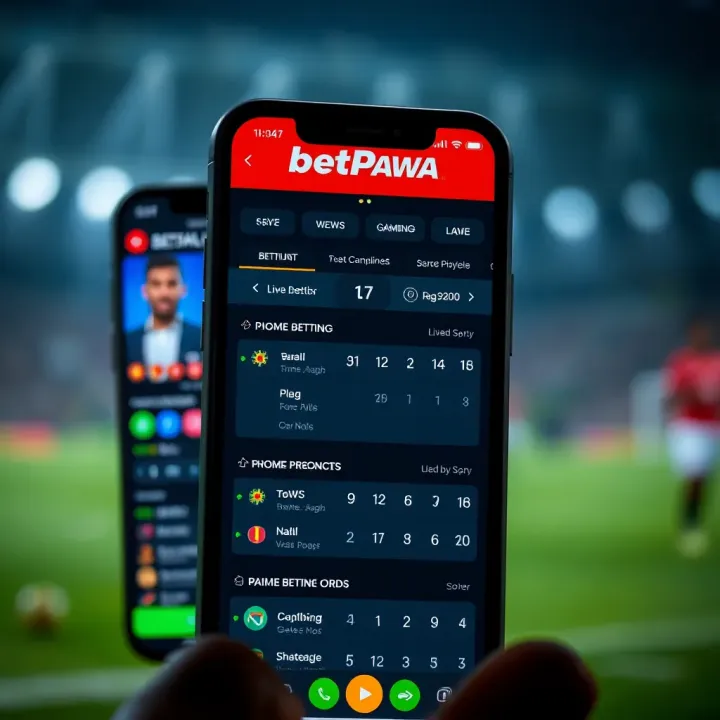
Learn how to log in to BetPawa and start betting safely 🎲. Get practical tips on account setup, fixing login troubles, and securing your Naira bets in Nigeria 🇳🇬.
Based on 11 reviews